
blog
Patek Philippe Perpetual Calendar – The Pinnacle of Watchmaking
May
I was truly amazed when I put it on—let’s take a moment to appreciate its beauty together.
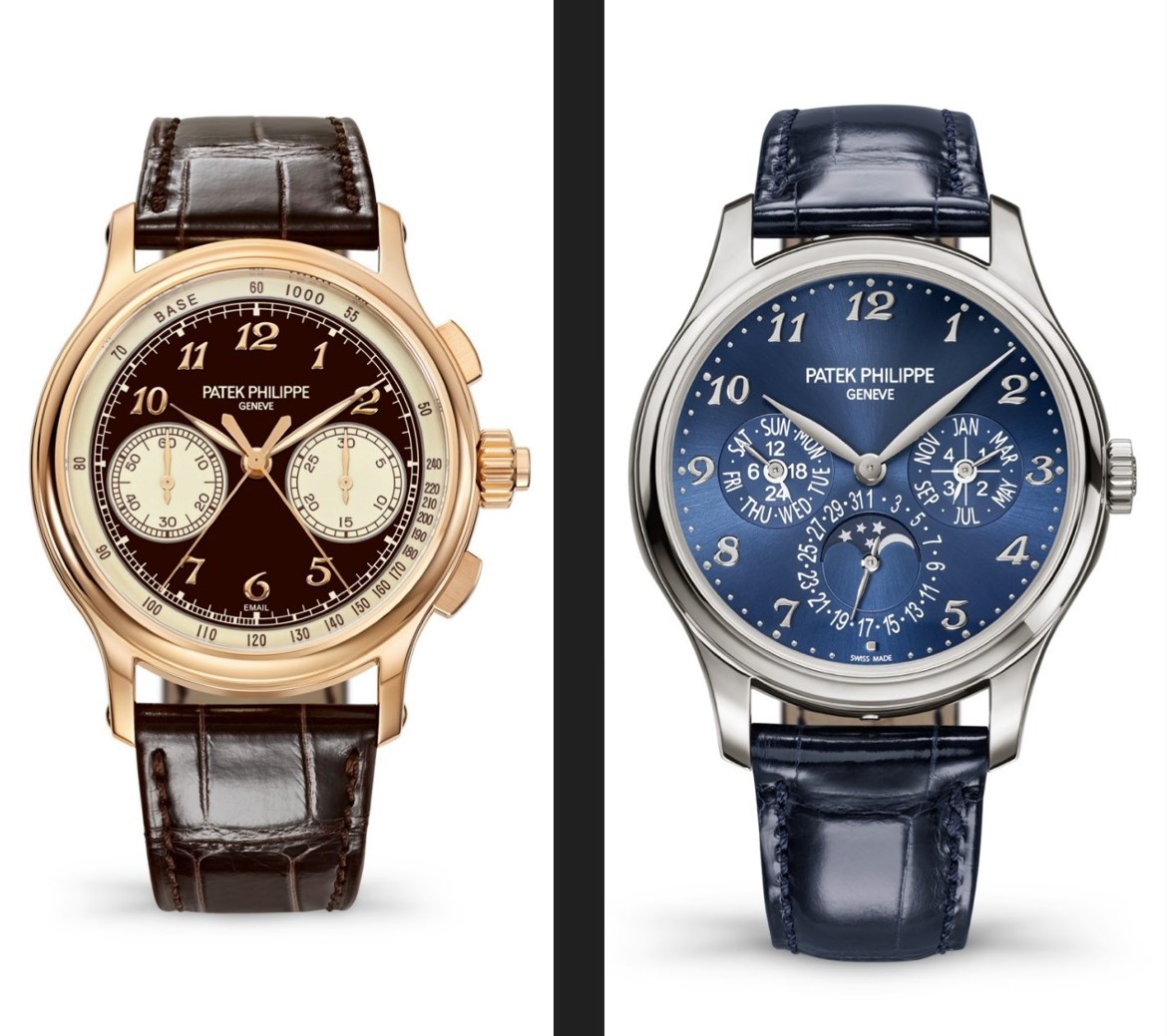
When it comes to Patek Philippe, everyone knows it’s the pinnacle of luxury watchmaking. Since its founding in 1839, the brand has produced countless iconic masterpieces with an overwhelming variety of styles. For many watch enthusiasts—including myself—the ultimate dream watch often comes from Patek Philippe.
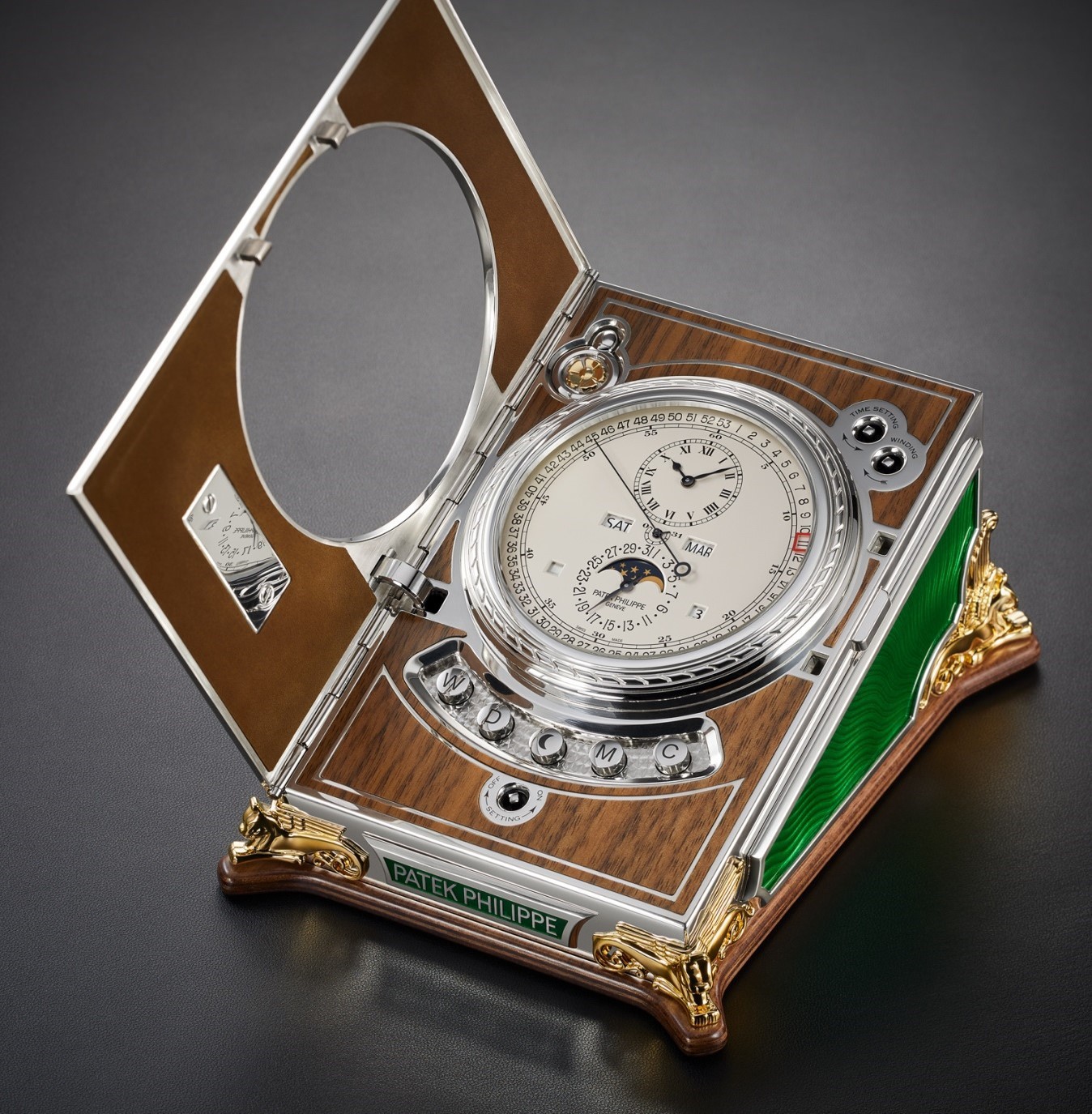
In the watch community, there’s a well-known saying about the “Big Four Complications”: Minute Repeater, Tourbillon, Perpetual Calendar, and Split-Seconds Chronograph. These complications are frequently compared and studied by collectors.
Among them, the minute repeater is undoubtedly the most prestigious—but unfortunately, it’s prohibitively expensive. Next comes the tourbillon, which isn’t very durable and doesn’t suit my needs. That leaves split-seconds chronographs and perpetual calendars as more realistic options. Of course, even within my budget, a split-seconds chronograph is still out of reach, so I had to settle for a manual chronograph instead.
I believe many hardcore enthusiasts face the same dilemma. Luckily, the selection narrows down to about ten models, mostly sourced from circulating pre-owned pieces. I’ve focused my search within those options.
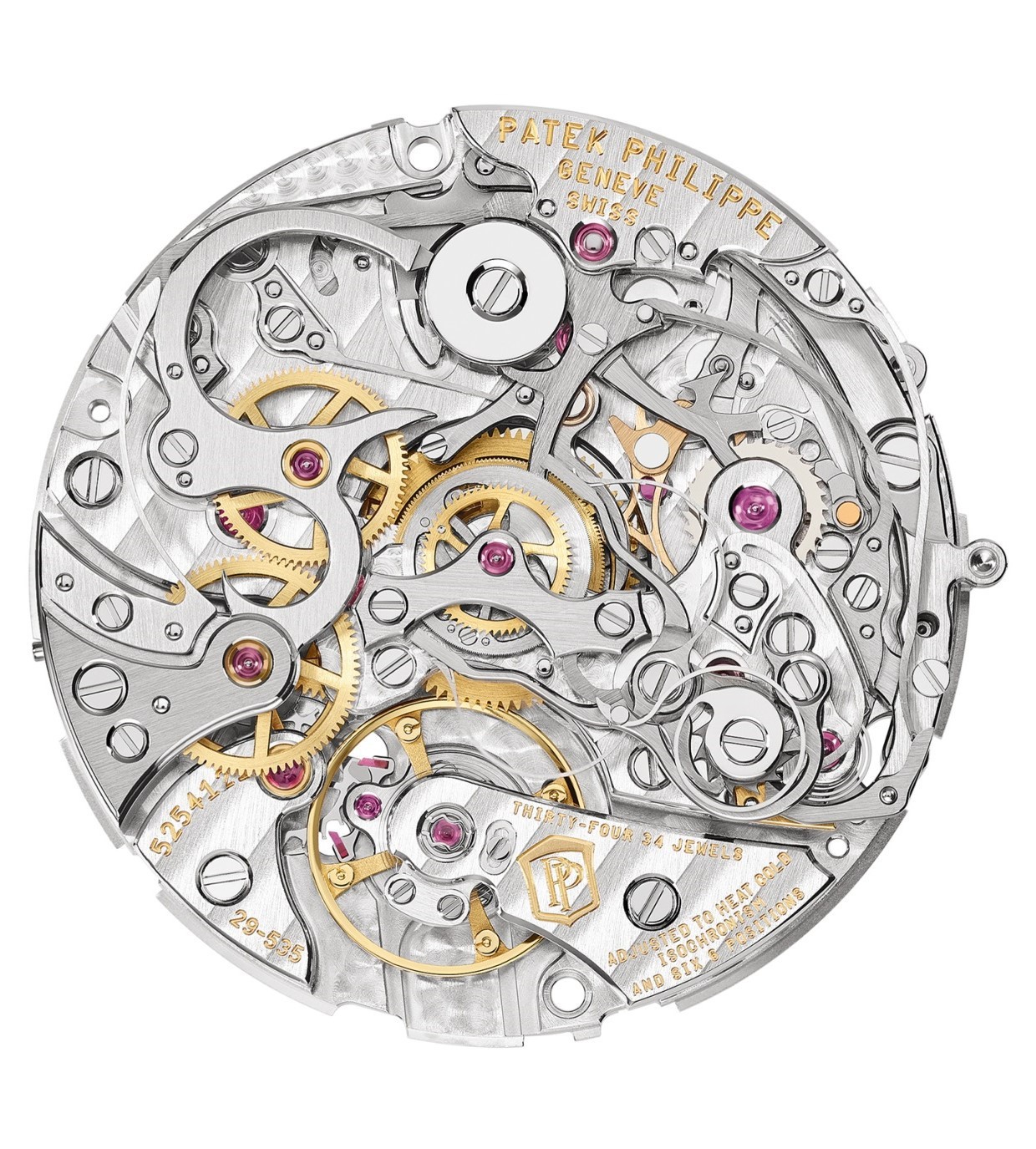
For manual chronographs, there are models like the 5070, 5170, and 5172. As for perpetual calendars, notable references include the 3940, 5039, 5139, 5140, and 5327. Personally, I prefer smaller dress watches, and since vintage models on the pre-owned market offer better value, my main focus has been narrowed down to the 5070 and the 3940.
The 5070’s manual chronograph movement is truly outstanding, while the 3940’s perpetual calendar with moonphase offers an incredibly elegant and harmonious dial layout. There was even a time when the 3970, which combines both the perpetual calendar and chronograph complications, was right in front of me. But back then, I was too young to appreciate the allure of Patek Philippe, and my focus was entirely on Rolex. Ever since, I’ve regretted letting that opportunity slip away—every time I see a 3970 now, I can’t help but feel a deep sense of remorse.
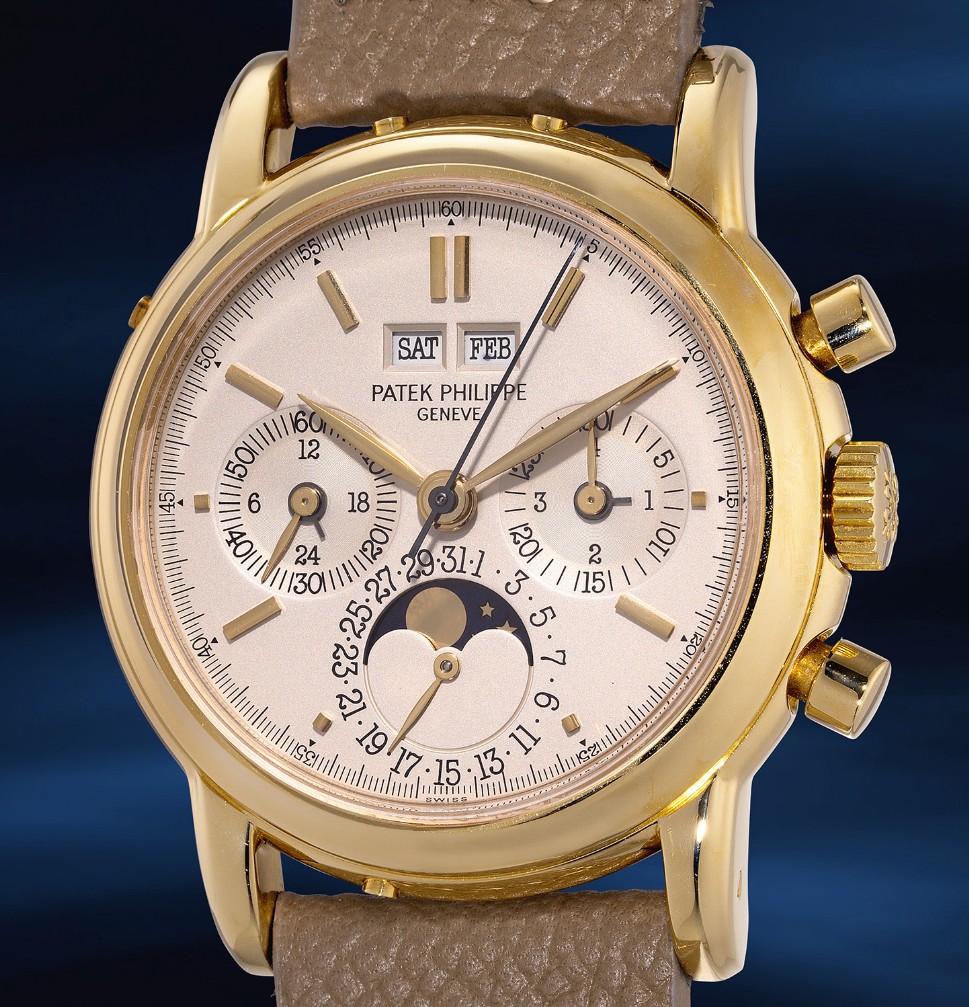
In recent years, as the enthusiasm for complicated watches has grown, prices across various models have also surged. Take the 3940 for example—there used to be options available in the low $20,000s, but now even the watch alone is approaching $30,000. Helplessly, I’ve had to take a step back and simply watch the market evolve.
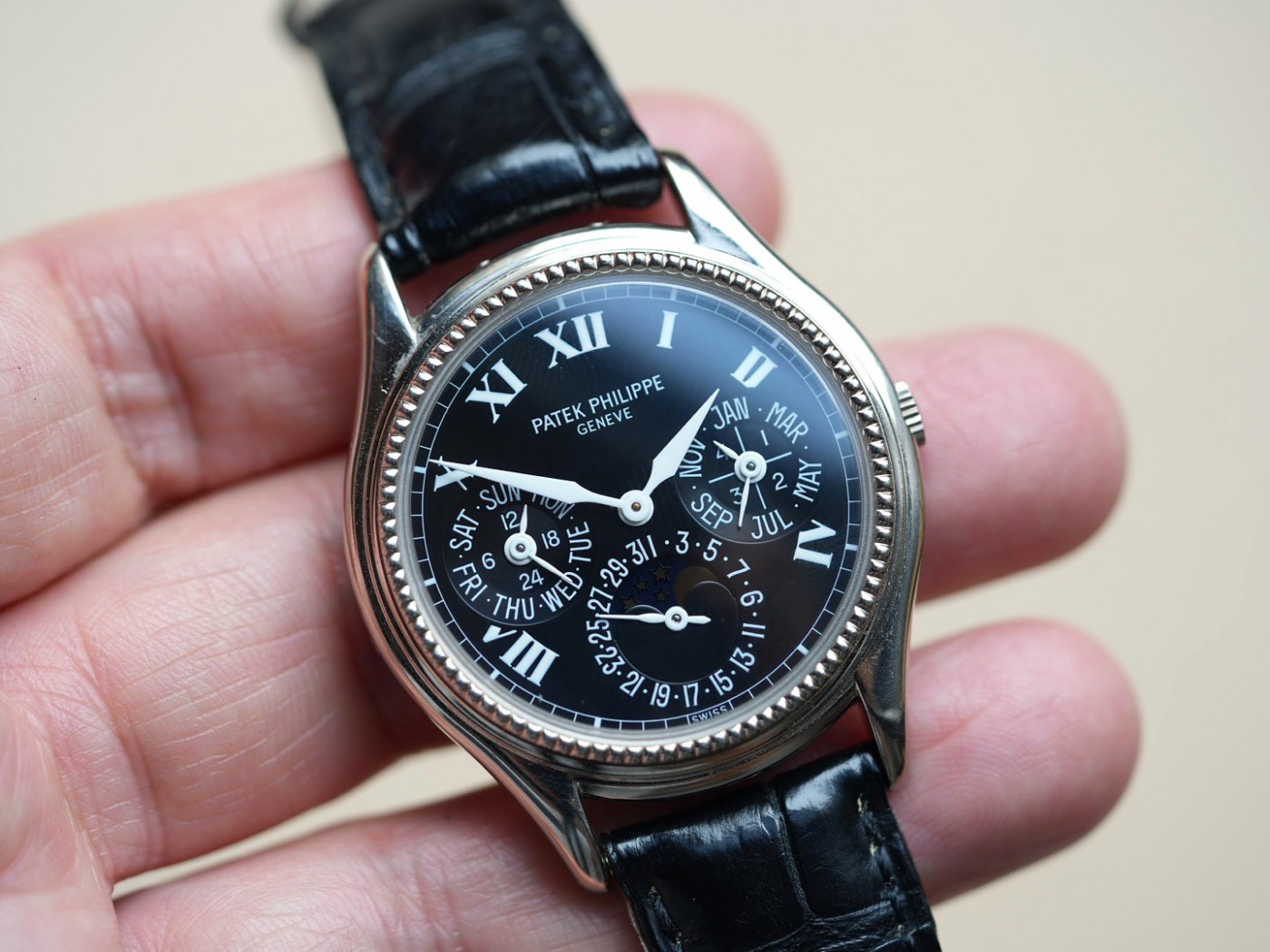
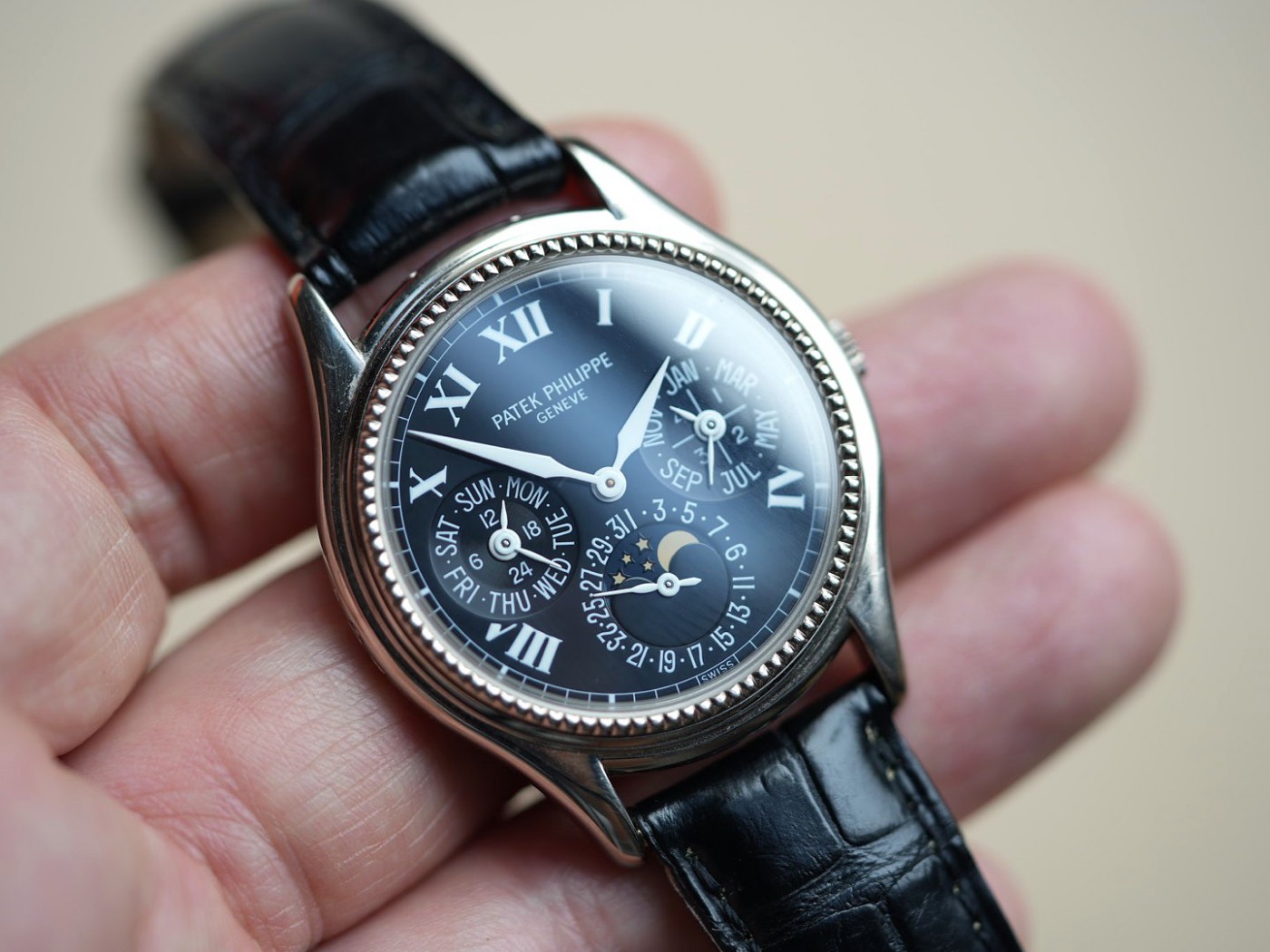
During the long wait, I sometimes find myself looking at the Nautilus 5712—its price has remained relatively stable. But after much thought, I’ve decided to keep holding out for a perpetual calendar. While searching for a 3940, I unexpectedly came across this 5038G, a model with surprisingly little coverage online. Interestingly, it also features a 36mm case, just like the 3940.
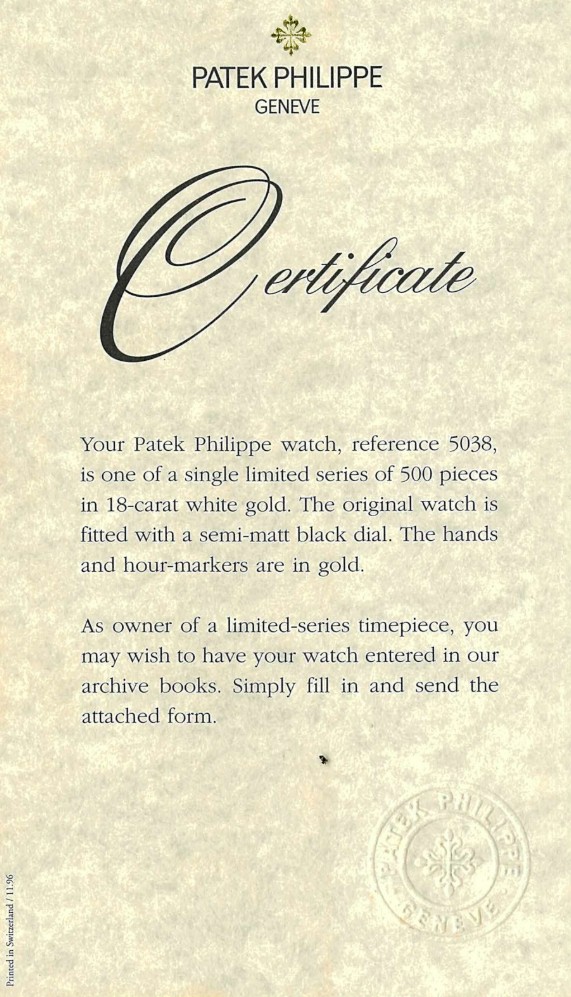
The 5038G was released between 1996 and 1997, in a limited run of 500 pieces. It’s a sporty take on the perpetual calendar, based on the 3940’s Calatrava-style case, but distinguished by its white Roman numerals on a black dial, along with a beaded (jewelled-style) bezel for added character. Inside, it houses the ultra-thin Caliber 240 with micro-rotor, known for its elegance and technical finesse.
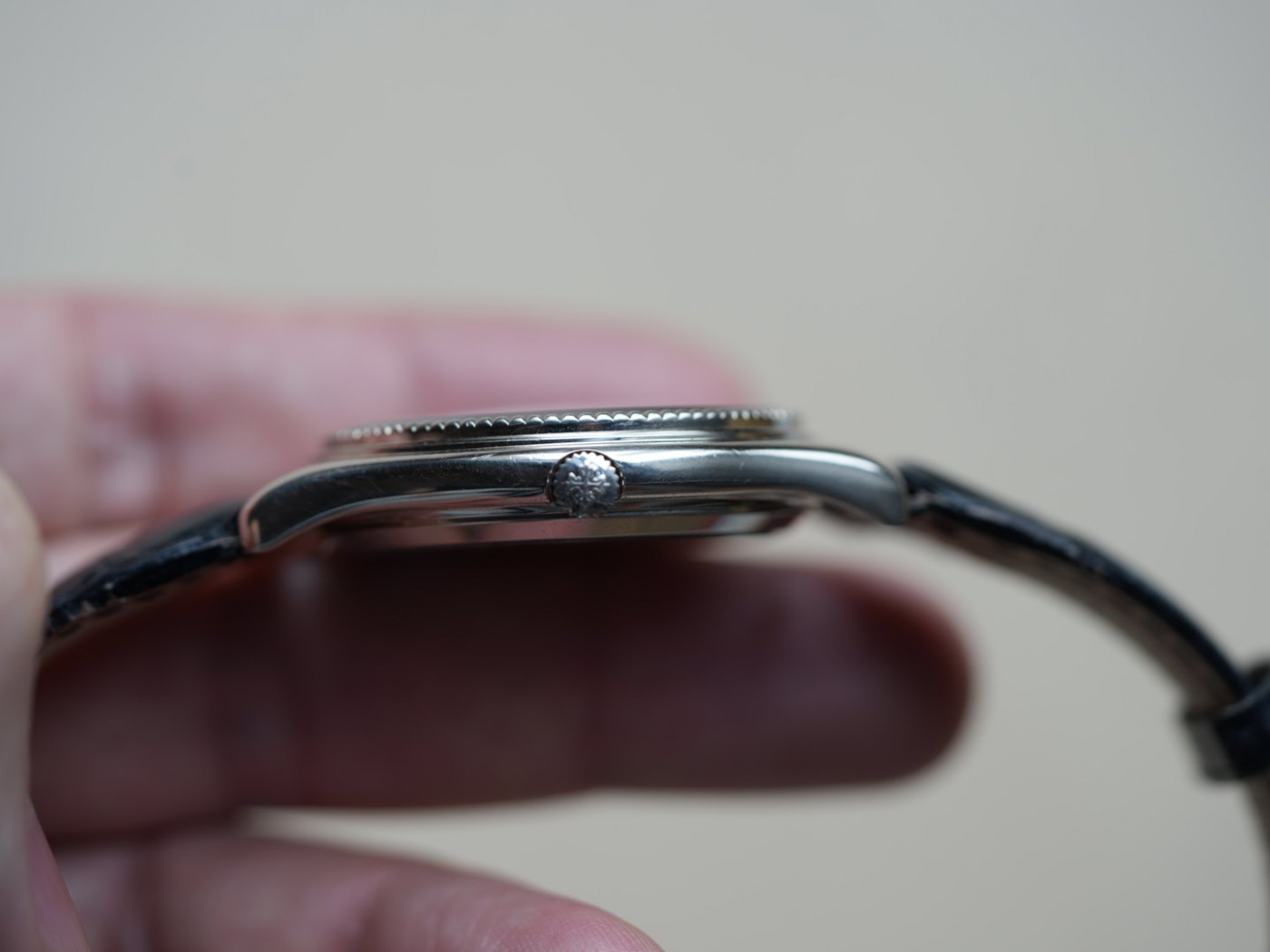
Once you put it on, you’re immediately captivated by its slim profile and refined wrist presence—a dress watch that’s so comfortable and charming, it’s hard to take off.
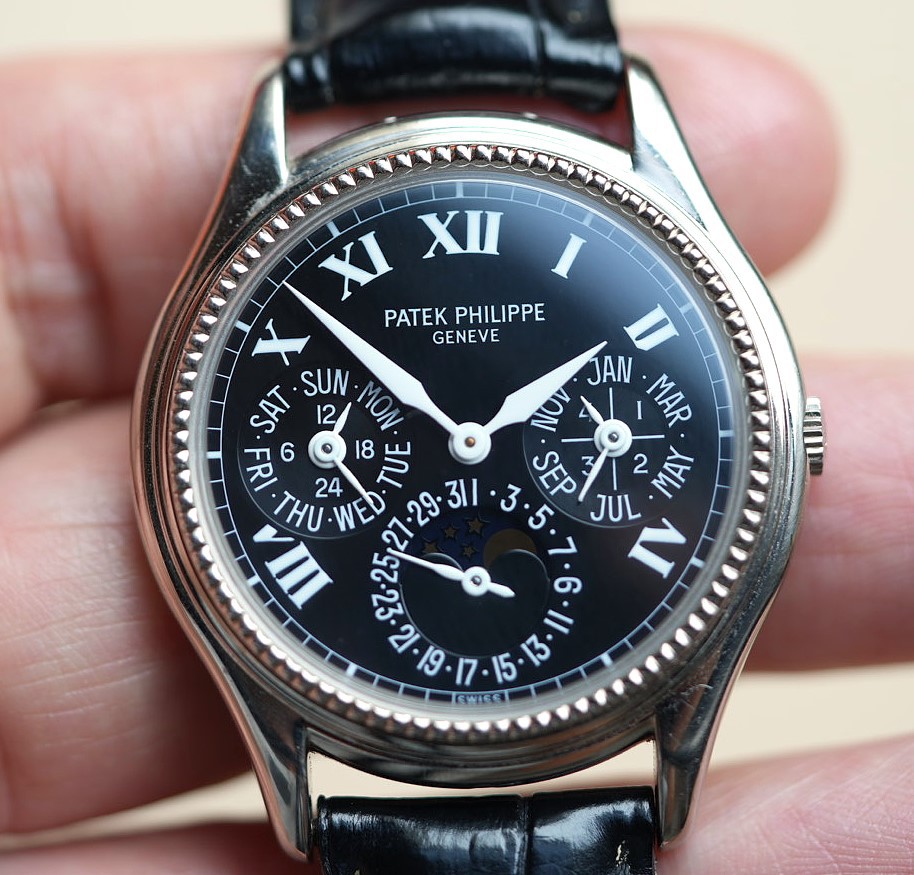
The 5038G features a perpetual calendar function with a very clear dial, displaying various indicators. At the 3 o’clock position, the outer ring indicates the month, while the inner ring shows whether it is a leap or common year. At the 9 o’clock position, the outer ring indicates the day of the week, and the inner ring shows the 24-hour time. At the 6 o’clock position, the outer ring displays the date, and the inner ring indicates the moon phase.
The perpetual calendar simultaneously displays the day of the week, month, date, and leap/common year. Despite having multiple functions, it must also maintain aesthetic design—clear and uncluttered. Patek Philippe uses the most balanced pocket watch symmetrical layout, and the three-subdial design at the bottom is my personal favorite layout.
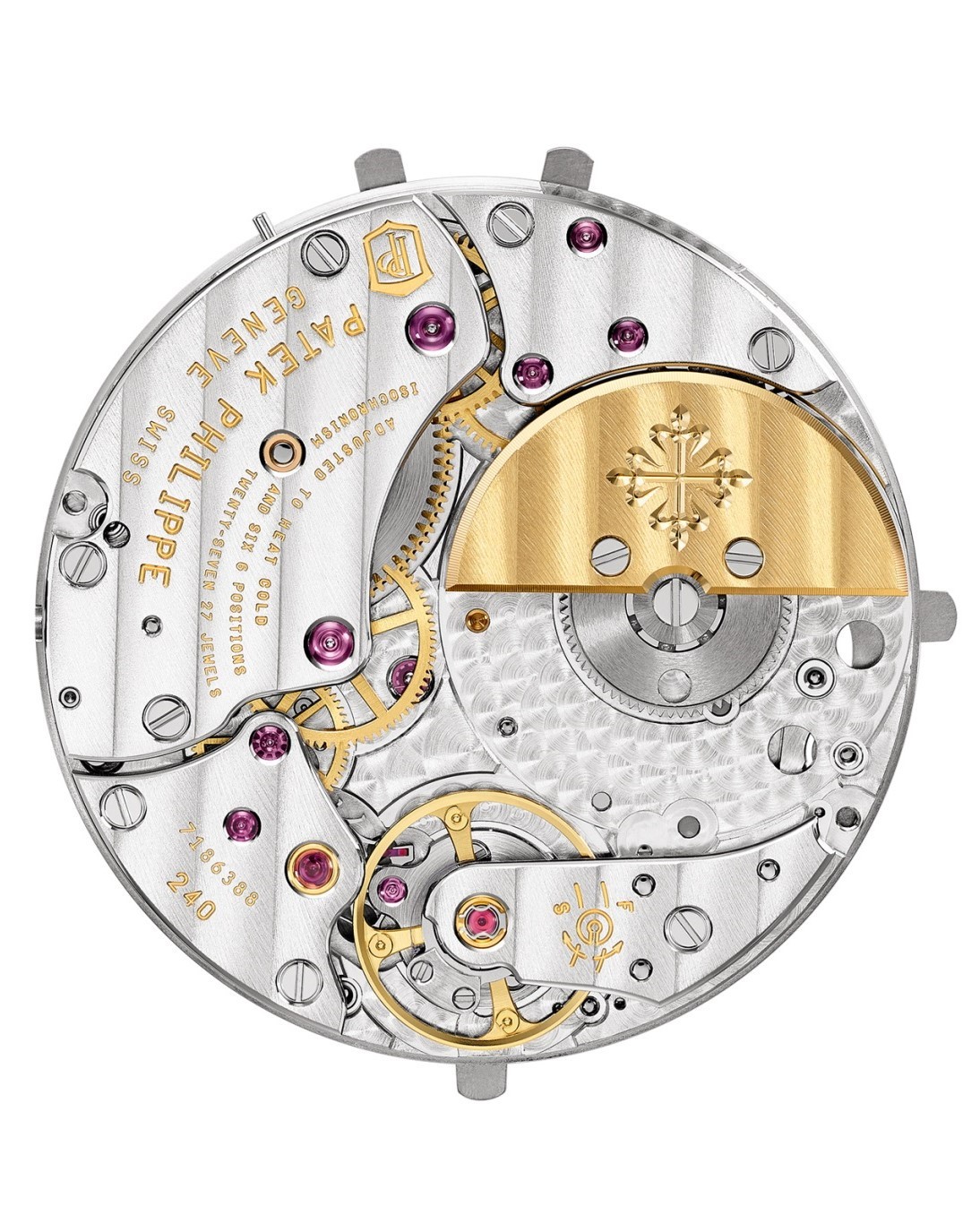
At the same time, Patek Philippe’s Caliber 240 addresses the issue of overall watch thickness. The standout feature of this movement is its “gyromax” design, which places the automatic rotor and other gears on the same horizontal plane, using dense 22k gold for the rotor.
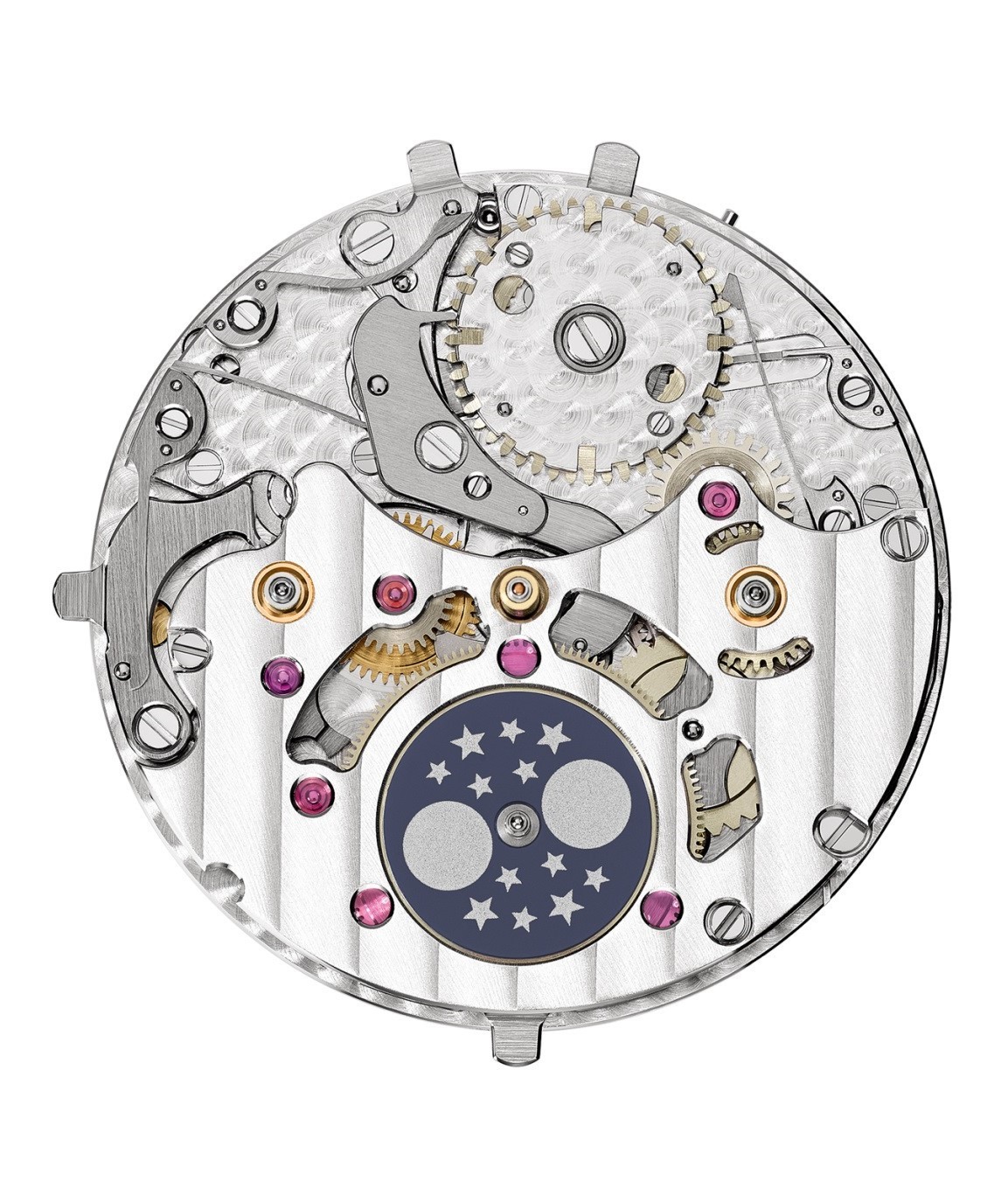
The perpetual calendar components on the front of the movement are also top-tier. Through meticulous calculation and precise machining, each part is arranged logically rather than simply stacked, making the entire module both slim and durable. On the side, there are four quick-adjust mechanisms that allow independent setting of the date, day of the week, month, and moon phase. As for the leap/common year, it needs to be adjusted gradually by setting the month.
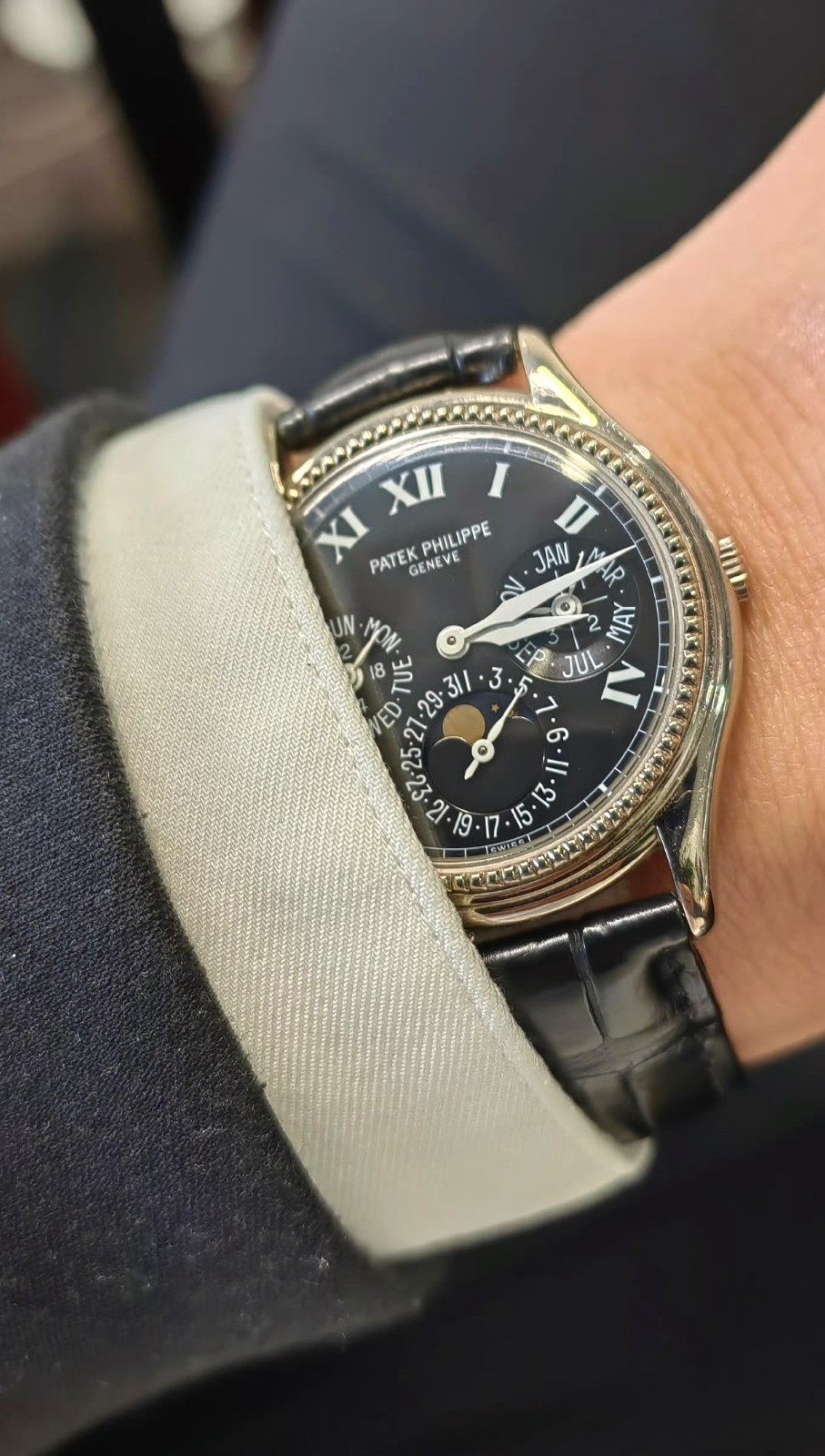
The wearing comfort of the Patek Philippe perpetual calendar is very satisfying, which is something I, as a watch enthusiast, value the most. Among grand complications, perhaps only the perpetual calendar can achieve this level of comfort. This has further convinced me that choosing a perpetual calendar was the right decision. An expensive watch is not just a status symbol—it must also bring joy and comfort to the wearer. Only then can it truly earn the title of a timepiece to be passed down through three generations.
Patek Philippe Grand Complications Series
Model: 5038G
Case diameter: 36mm
Thickness: 9mm
Movement: Caliber 240Q
